No fluff—let’s dive straight into actionable substance on producing an AI short film from scratch using conversational prompting.
The Four Steps:
- Character and scene look-development
- Storyboarding and scriptwriting
- Video, voiceover, and BGM generation
- Video editing and subtitling
The Three Tools: Claude Code, LibTV, ChatCut
#1. Character Look-Dev and Scene Concept Art
For model choices, I recommend GPT Image 2 and Midjourney. The former delivers remarkably natural results aligned with physical intuition; the latter offers unmistakable artistic stylization and color palettes—the exact reason Midjourney remains indispensable in image generation.
This first step is foundational: every downstream video clip revolves around these assets. If characters are poorly defined or scenes lack cohesion, your generation “gacha” retry rate will skyrocket.
What makes an effective character and scene asset?
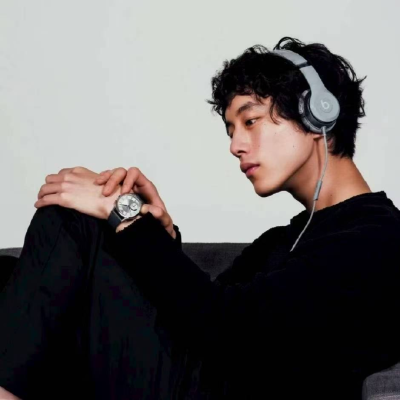
For characters, the frontal shot is paramount—it forms the viewer’s core visual impression. Next is the three-view head turnaround, followed by a full-body model sheet. The head turnaround preserves facial fidelity across tight close-ups, while the full-body sheet maintains silhouette and wardrobe consistency across medium and wide shots. If your narrative features recurring signature props, generate dedicated visual references for them as well.
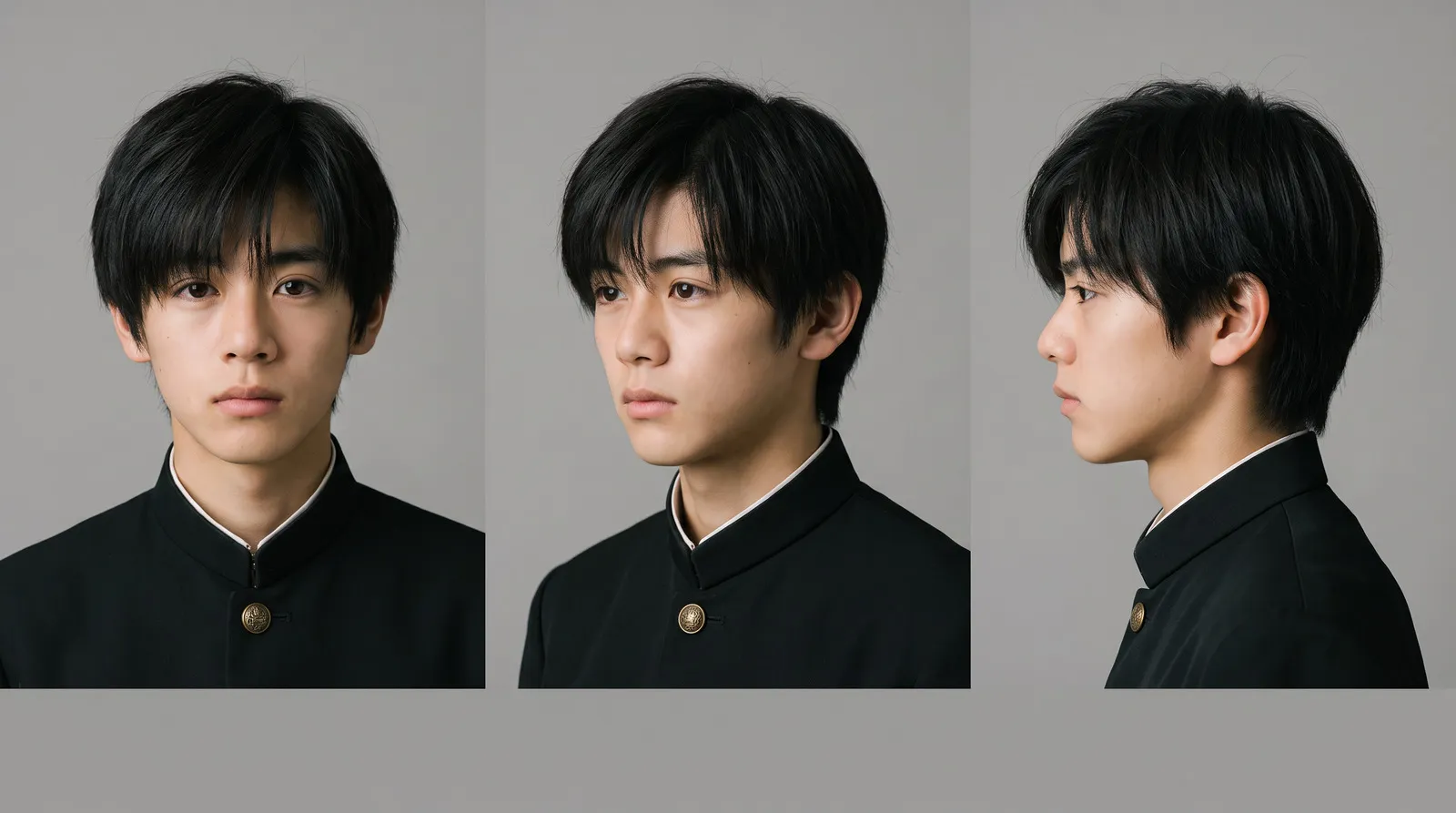
Scenes allow slightly more leeway than characters: minor discrepancies go unnoticed by most viewers, and environments naturally evolve alongside narrative pacing and lighting shifts.
#2. Storyboarding and Scriptwriting
For storyboarding, I generally have AI generate an initial draft before refining it manually. If working from an existing screenplay, adjustments are straightforward. If you are developing an original concept, the workflow requires continuously visualizing scenes in your mind and chatting iteratively with AI to adjust shots. This stage is prone to revisions—shots that look fine in isolation often reveal pacing friction only when sequenced together. Directing and scene choreography were the steepest learning curves for me.
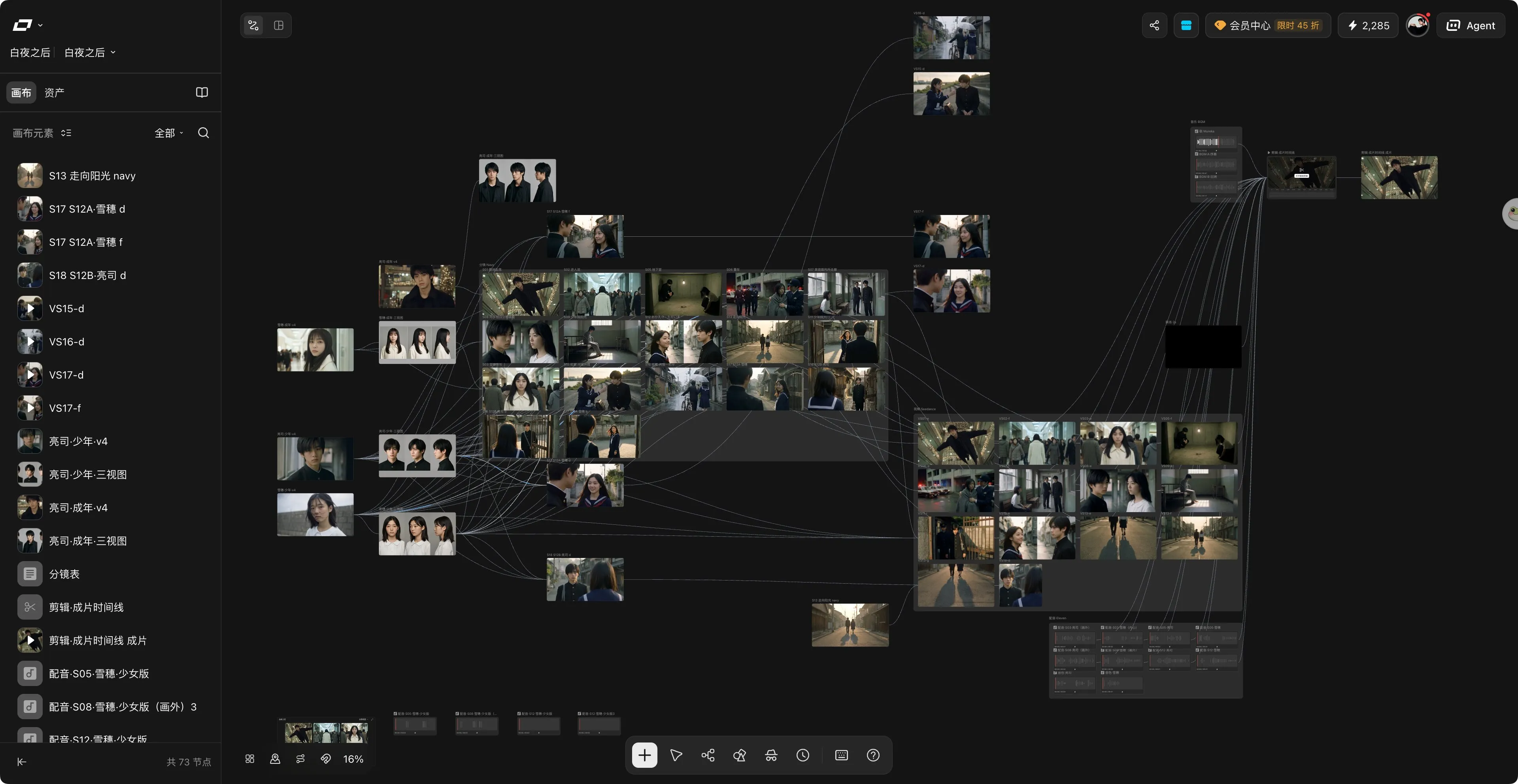
The script details character actions, dialogue lines, and voiceover narration. A few key tips here: to preserve consistent vocal timbre, Seedance officially recommends providing a clean reference audio clip—strongly recommended for dialogue-heavy productions.
You can also bypass native video model voice synthesis in favor of dedicated post-production dubbing. However, I still recommend generating guide vocals during initial generation to assist with lip-syncing. Ensure your video model’s lip-sync generation matches your intended target language.
For shot-by-shot storyboard generation, choose models known for character consistency. Rely on the recommended models within your creation platform of choice.
Look-dev sets the foundation so your characters match your vision; storyboard generation guarantees cinematic continuity across video generation.
#3. The Token-Draining “Gacha” Generation Phase
This is where most creators throw in the towel. Why?
Generated clips frequently fall short of expectations, rerolls burn through credits, and watching balances drain sparks anxiety about finishing the project. Voiceovers and background scores carry similar friction, though you can mitigate this by utilizing curated reference tracks, distinctive vocal presets, or pre-cleared instrumental music.
Can you avoid the reroll tax entirely? Not completely. But doing the upfront homework in step one—comprehensive turnarounds and model sheets—dramatically cuts down wasted rolls. Never skip asset prep: modern video models maintain remarkable subject consistency when anchored by high-quality reference imagery.
#4. Editing and Subtitles
The final phase is where raw footage transforms into cinematic art.
Anyone who has edited video knows the phenomenon: a clip might feel completely mundane in isolation, but drops into place with striking emotional resonance the moment the right BGM swells beneath it.
Avoid rigidity here: never stitch raw generated clips end-to-end as-is. Treat generated clips strictly as raw b-roll. Take digital shears in hand, trim aggressively, and weave the pieces into a cohesive rhythm.
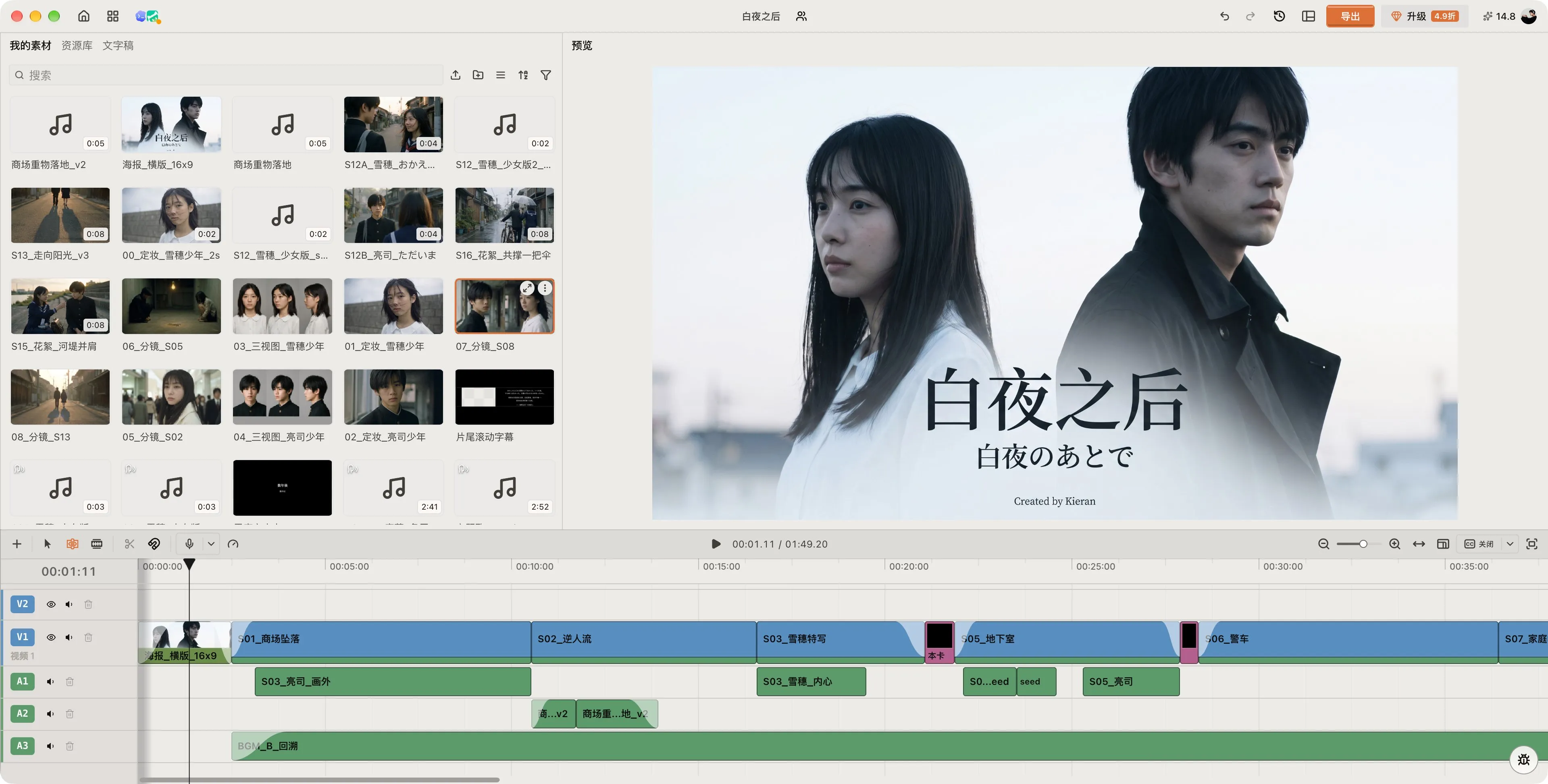
I strongly recommend ChatCut for editing—it saves enormous time. Claude Code plugins integrated with ChatCut automate roughly 80% of rough-cut assembly. The remaining 20% belongs to manual human craftsmanship: no matter how articulately you prompt an AI, nothing replaces scrubbing the playhead yourself to audition cut points and transition timing.
Subtitles are equally critical—certain narrative nuances and emotional undertones can only be delivered through typographic timing. Strategic scene-setting subtitles at transition points help viewers settle into the scene instantly.
#5. Tooling Summary & Reflections
The Trinity = Claude Code + LibTV + ChatCut
With these three tools, you can direct an entire short film through conversational prompting. The agent interacts with LibTV’s infinite canvas and ChatCut’s editing timeline as modular tools, while Claude Code acts as the orchestrating bridge between your vision and the software. Don’t let perceived complexity intimidate you: if you want to make an AI short film, jump in immediately. Beyond token expenses, AI has flattened the software learning curve.
My debut short film, After the White Night, didn’t achieve viral reach, but shipping it brought immense personal fulfillment—fulfilling a long-held creative dream. The late nights evoked memories of college, pulling all-nighters editing videos for the university media department, dreaming of directing a campus indie film. One day, that dream will come true.